From written work to practical evidence

AI can write the report. It can’t do the work.

EdSphere turns written assignments into practical tasks that students can evidence. They do the task, capture it on their phone, and explain their choices. A qualified instructor makes the final call.

Pilots are free. We’re building EdSphere with the educators who use it.

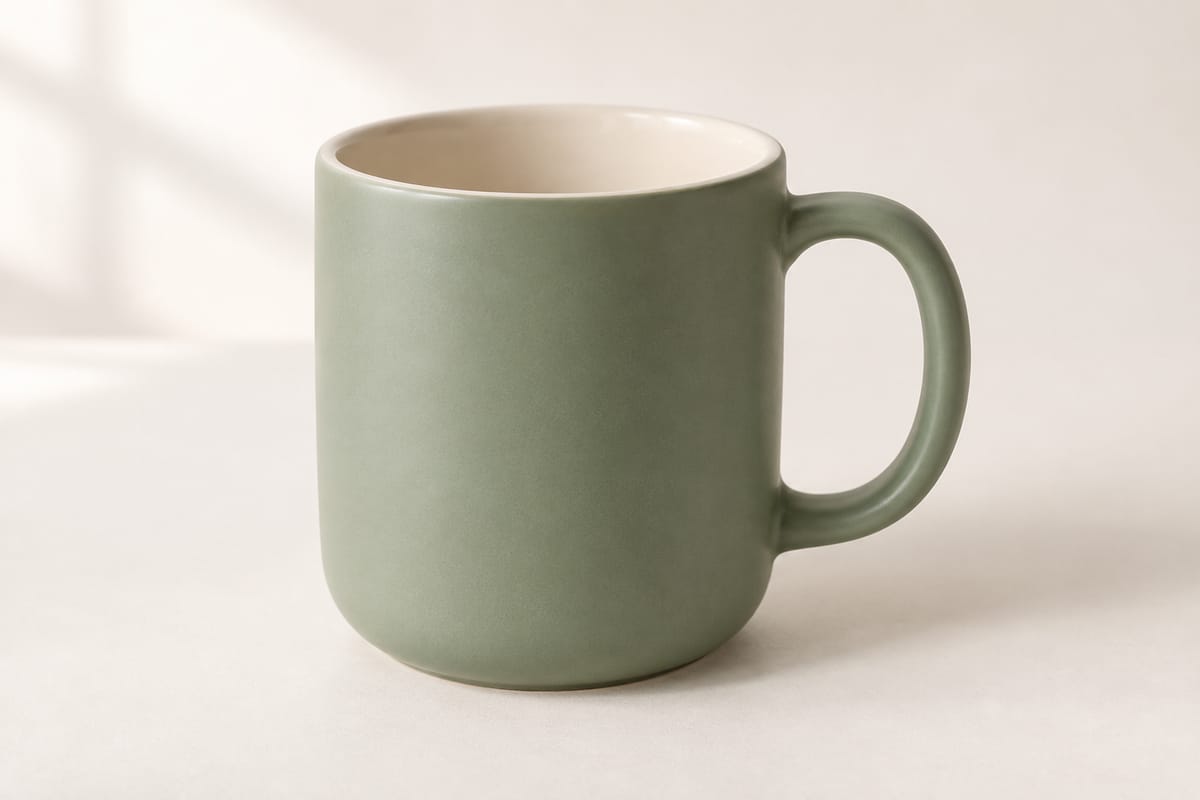
Hero photograph: a sage green mug in a three-quarter view, the whole handle visible, on a plain cream background.

Checkpoint 1 · Hero photo

10:14

“Three-quarter hero: the full mug and handle are visible against a quiet background, with space around the outline.”

Uploaded

Checkpoint 4 · Decision, in audio

0:30

Transcript: “The photographs cannot establish the mug’s capacity or whether it is dishwasher safe. My next check is to measure the actual mug…”

Defense · Question 2 of 4

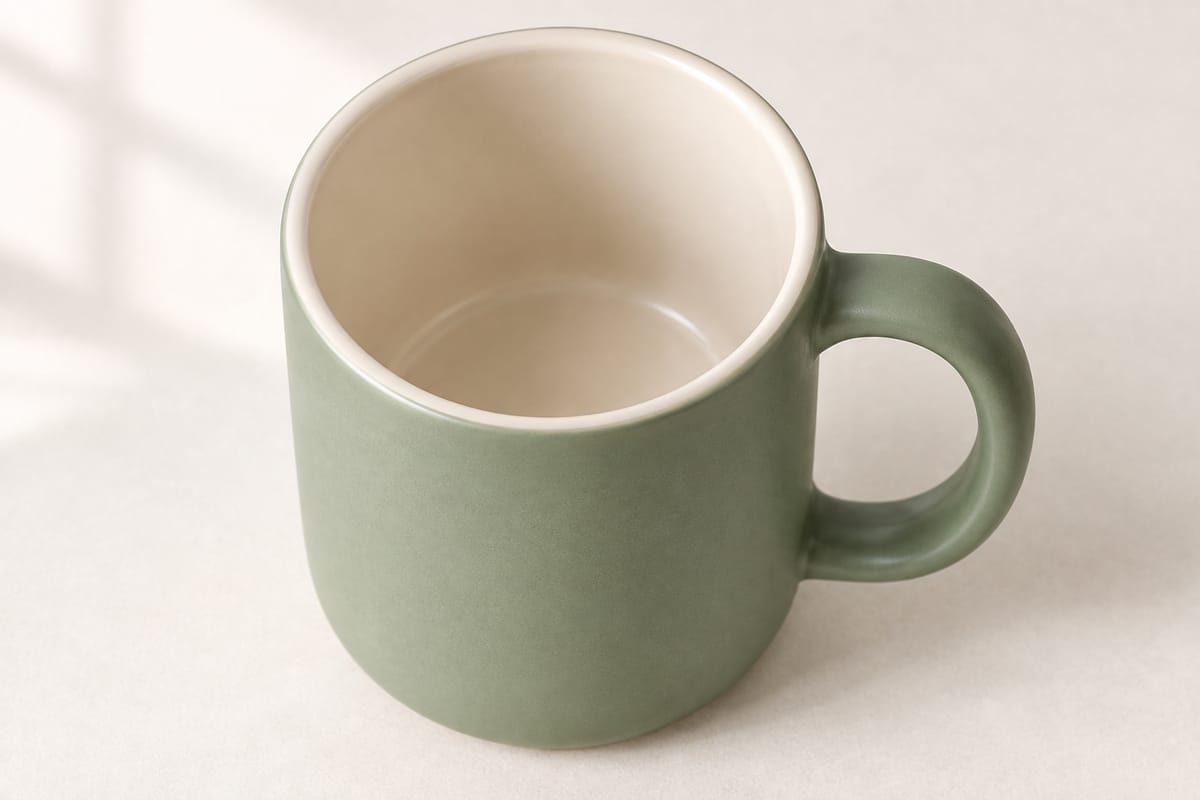
The student's detail photograph, which the question asks about.

Asked about: Checkpoint 2, detail photo

“What new information does your detail photo add, and what shows it is the same mug?”

Voice answer, transcribed: “The top view reveals the cream interior and rim beyond the hero’s overall shape. Both views share the sage exterior, cream lining, rounded body, and loop handle.”

Criterion · Useful detail and consistent identity

AI draft (advice only)

Exceeds. The detail adds the interior and rim, and four visible features match the hero.

Hero photoDetail photoAnswer 2

AgreeChange level

Nothing is pre-selected. The instructor decides.

Example submission from a fictional student. Photos and voice were generated for this example.

Why now

A written assignment no longer proves the student did the work.

AI can produce a fluent essay, report, or reflection in minutes. Instructors can often tell, but they can’t prove it. The research is clear on what changed.

  • AI detectors don’t work.

    They raise false alarms, and universities are switching them off. Australia’s regulator, TEQSA, advises redesigning assessment instead.

    Source:TEQSA (Australia), 2025 (opens in a new tab)Vanderbilt University, 2023 (opens in a new tab)

  • Exams can’t see practical skills.

    A supervised exam shows what a student can do in a room. It can’t show how they work in a lab, studio, clinic, or workplace.

  • Watching every student takes too long.

    Observing each student, asking follow-up questions, and writing it all down can take close to an hour per student.

Practical work shows what a student can really do. EdSphere makes it quick to assess. See all the research

What changes

From writing about the work to doing it.

Ask students to do the task, capture it as it happens, and explain their decisions. That has always been the best way to assess practical skill. EdSphere makes it work for a whole class.

  • Students write a report after the work

    Students capture evidence during the work

  • Students describe what they would do

    Students explain what they actually did

  • Instructors read essays

    Instructors look at evidence

  • A grade in a gradebook

    A record of what the student showed

For every field

Practical tasks work in every subject.

Every course has things students should be able to do, not just write about. Here is how one written assignment becomes a practical task in six fields.

  1. 1Start from the outcomeWhat should students be able to do by the end?
  2. 2Choose a task that shows itAsk them to do that thing, not write about it.
  3. 3Collect evidence, then askThey capture it on their phone, then explain their choices.

Business

Justify a pricing decision with evidence.

Instead of
A market-analysis essay.
The task
Price one product for a real local business and pitch the price to the owner.
They capture
  • Photothe cost sheet behind the price
  • Videothe two-minute pitch
  • Audiohow they answered the owner’s push-back

Then they explain

“Your cost sheet shows a 35% margin, but you pitched 28%. What changed your mind?”

Engineering

Find and fix a fault methodically.

Instead of
A lab report on circuit theory.
The task
Diagnose and repair a faulty circuit board in the lab.
They capture
  • Photoeach measurement, with the meter in frame
  • Videothe repair itself
  • Audiowhy they chose each next test

Then they explain

“Your second photo shows 4.9 V at test point 2. Why did you measure there first?”

Design

Improve a design using evidence from real users.

Instead of
A design-rationale essay.
The task
Test a prototype with one real user, then revise it.
They capture
  • Photothe prototype before and after
  • Videothe user trying the main task
  • Audiowhat they changed, and why

Then they explain

“In your video the user stopped at the checkout button. What did you change, and how do you know it helped?”

Law

Advise a client on a legal problem.

Instead of
An essay on contract formation.
The task
Interview a role-played client and give first advice.
They capture
  • Photothe issue map they drew
  • Videoa 90-second advice summary
  • Audiothe client interview

Then they explain

“You asked about the delivery date before the price. Why in that order?”

Medicine

Assess a patient’s vital signs and act on them.

Instead of
A reflective essay on patient assessment.
The task
Take a full set of vital signs on a simulated patient and decide the next step.
They capture
  • Photothe monitor readings
  • Videotheir technique
  • Audiowhat the numbers mean and what they would do

Then they explain

“Your photo shows a blood pressure of 148/92. What would you do next, and why?”

Teacher education

Check whether students understood a lesson.

Instead of
An essay on questioning techniques.
The task
Teach a ten-minute lesson to classmates and check their understanding.
They capture
  • Photothe lesson plan
  • Videothe questioning part of the lesson
  • Audioa reflection straight after teaching

Then they explain

“At 4:10 in your video, two students answered wrongly and you moved on. Why?”

How it works

Design. Do. Defend. Validate. Record.

One practical assignment, from the instructor’s first idea to a record the student keeps. The instructor makes every final decision.

See every step
  1. 01

    Design

    Instructor

    Pick the objectives, describe the task in a sentence, edit the proposal, publish.

    About 10 minutes, once

  2. 02

    Do & document

    Student

    Do the task and capture each checkpoint on their own phone as they go.

    Under 6 minutes, during the task

  3. 03

    Defend

    Student

    Answer three or four questions drawn from their own evidence.

    About 10 minutes, same day

  4. 04

    Validate

    Instructor

    See the evidence, check the cited draft, make the call on every criterion.

    About 4 minutes per student

  5. 05

    Record

    Automatic

    Keep a permanent record of what the student showed, tied to the objectives.

    Automatic

These times are our estimates. Our pilots will measure the real numbers.

People decide

The AI organises. The instructor decides.

EdSphere sets up the task, collects the evidence, asks the questions, drafts an assessment with references to the evidence, and keeps the record. A qualified person makes every grading decision, and the software makes sure of it.

The AI never:

  • Gives a grade. It suggests one, and a person decides.
  • Makes up a rubric level. It uses the instructor’s rubric exactly as written.
  • Points to evidence that isn’t there. Every reference is checked before the instructor sees it.
  • Picks an answer for the instructor. Agreeing takes the same click as disagreeing.

Who it helps

Better for everyone involved.

The same assignment does a different job for each person around it.

  • Instructors

    Look at evidence instead of reading essays.

    Set up a practical task from your own course materials in minutes, and see the work instead of a write-up you can’t trust.

  • Students

    Do the real thing, then explain it.

    Show the work on your own phone, explain your decisions in your own words, and keep a record of what you showed.

  • Assessment and program leaders

    Link every grade to a stated outcome.

    Each result is decided by a qualified person, dated, and backed by evidence anyone can reopen for program review and accreditation.

Help us build it.

We’re looking for instructors and institutions ready to turn a written assignment into a practical task. Pilots are free, and what you tell us shapes what we build next.